
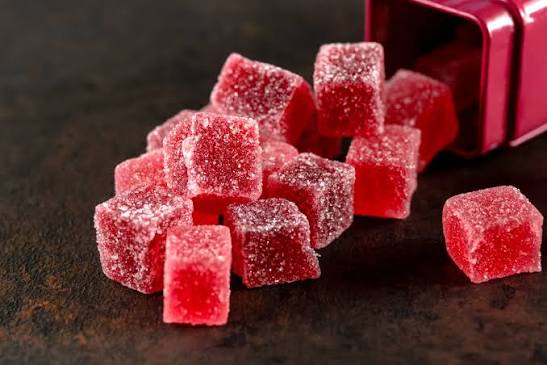
CBD gummies are a convenient way to consume cannabidiol (CBD), a compound derived from hemp and cannabis plants. Like other edible products, however, CBD gummies do not stay fresh forever. Their ingredients, storage conditions, packaging, and exposure to heat or moisture can affect their quality over time.
If you have a bottle of CBD gummies sitting in your cupboard, you may wonder whether they are still safe to use after several months. Understanding their shelf life and the signs of spoilage can help you make informed decisions about product quality.
In this guide, we explain whether CBD gummies expire, how to recognize changes in freshness, and how to store them properly.
Do CBD Gummies Expire?
Yes, CBD gummies can expire. Most commercially produced CBD gummies have a recommended shelf life, which is usually printed on the packaging as an expiration date or best-before date.
Their shelf life depends on several factors, including the gummy formulation, the type of CBD extract, the ingredients used, and the packaging.
CBD gummies typically contain ingredients such as sugar or sweeteners, flavorings, gelling agents, and oils or extracts containing CBD. These ingredients can change in quality over time, especially when exposed to heat, light, air, or moisture.
It is also important to understand that the CBD content may gradually change during storage. This means a gummy may not retain the same cannabinoid profile or potency throughout its entire shelf life.
Always check the manufacturer’s storage instructions and date information before using a CBD edible.
What Is the Typical Shelf Life of CBD Gummies?
The shelf life of CBD gummies varies by brand and formulation. Many commercially packaged products have a stated shelf life of several months to around a year or longer, but there is no universal expiration period that applies to every product.
Factors that may affect shelf life include:
- Ingredients: Sugar, gelatin, pectin, oils, and flavorings can respond differently to storage conditions.
- CBD formulation: The extract and other ingredients may affect product stability.
- Packaging: Airtight, protective packaging can reduce exposure to air and moisture.
- Manufacturing methods: Production, hygiene, and moisture control can influence how well gummies keep.
- Storage conditions: Heat, humidity, and direct sunlight may reduce product quality.
The date printed on the package is the best starting point when determining how long a particular product is intended to remain fresh.
Avoid assuming that all CBD gummies last the same amount of time, even when they look similar.
What Happens When CBD Gummies Expire?
When CBD gummies pass their recommended date, several changes may occur. The extent of these changes depends on the product and how it has been stored.
1. CBD Potency May Change
CBD can degrade over time, particularly when exposed to unfavorable storage conditions such as heat, light, and oxygen.
As a result, expired gummies may not contain the same amount of CBD as indicated on the original label. The rate of change depends on the formulation and packaging, so it is not possible to predict the remaining potency from the expiration date alone.
If consistent cannabinoid content matters to you, avoid relying on old gummies whose quality and potency have not been verified.
2. Texture May Change
Fresh CBD gummies generally have a texture that matches the manufacturer’s description. Over time, they may become harder, softer, stickier, or unusually dry.
These changes can occur because of moisture loss, humidity, temperature fluctuations, or changes in the gummy’s ingredients.
A slight texture difference does not always prove that a product has spoiled, but an unusual or sudden change is a reason to inspect it carefully and follow the manufacturer’s guidance.
3. Flavor and Smell May Change
CBD gummies may lose some of their original flavor during storage. Their aroma can also change as ingredients deteriorate or absorb odors from the surrounding environment.
Discard gummies that develop an unusual, rancid, sour, or otherwise unpleasant smell. Do not taste a gummy to determine whether it is still safe.
4. Mold or Contamination May Develop
Moisture and poor storage conditions can increase the risk of microbial growth in some edible products.
If you notice visible mold, unusual spots, unexplained discoloration, or signs of contamination, do not consume the gummies. Discard the affected product and follow the manufacturer’s instructions if the packaging or other gummies in the container also appear compromised.
Even if the gummies look normal, their appearance alone cannot confirm that they are safe to consume.
How to Tell If CBD Gummies Have Gone Bad
Checking the product before use can help you identify obvious signs of deterioration.
Look for these warning signs:
- Visible mold: Fuzzy patches or suspicious growth on the gummies.
- Unusual smell: Sour, rancid, or unpleasant odors that differ from the normal product aroma.
- Unexpected discoloration: Major color changes that are not explained by the formulation.
- Unusual texture: Excessive stickiness, unexpected wetness, or severe hardening.
- Damaged packaging: Broken seals, punctures, or signs that moisture or contaminants may have entered.
- Expired or missing date information: A product past its stated date, or one whose age and storage history are unknown.
Some gummies may naturally change texture or appearance slightly during storage. However, if you cannot confidently determine whether a product is still in good condition, the safer choice is to discard it.
Do not assume that an expired product is safe simply because it looks and smells normal.
What Factors Affect CBD Gummies’ Shelf Life?
Several environmental and product-related factors can influence how long CBD gummies maintain their quality.
1. Heat
High temperatures can soften gummies, cause them to stick together, and affect the stability of some ingredients. Prolonged heat exposure may also contribute to changes in CBD content.
Keep gummies away from hot vehicles, radiators, ovens, and sunny windowsills.
2. Light
Direct sunlight and some forms of strong light can contribute to the degradation of sensitive compounds.
Storing gummies in their original protective packaging and away from direct light can help maintain product quality.
3. Air and Oxygen
Repeated exposure to air can contribute to oxidation and changes in certain ingredients.
Closing the package securely after each use helps reduce unnecessary air exposure.
4. Moisture and Humidity
Excess moisture can change the texture of gummies and, under suitable conditions, increase the risk of microbial growth.
Avoid leaving containers open in humid environments or handling gummies with wet hands.
5. Ingredient Quality and Formulation
The type and quality of the ingredients used can affect shelf life. Gummies made with different sweeteners, gelling agents, oils, and flavorings may behave differently during storage.
Manufacturing processes and packaging also matter. This is why the storage recommendations and expiration date for one brand may not apply to another.
How to Store CBD Gummies Properly
Proper storage can help preserve the texture, flavor, and quality of CBD gummies throughout their stated shelf life.
1. Keep Them in a Cool, Dry Place
Store CBD gummies in a cool, dry location away from heat sources and direct sunlight. A cupboard or pantry may be suitable if the environment remains within the temperature range recommended by the manufacturer.
Avoid places where temperatures fluctuate significantly.
2. Seal the Container After Use
Close the lid or reseal the pouch immediately after removing a gummy. Proper sealing helps limit exposure to air, dust, and moisture.
If the original packaging includes a protective seal or desiccant, follow the manufacturer’s instructions. Do not eat or open a desiccant packet.
3. Follow the Manufacturer’s Temperature Instructions
Some products may require refrigeration, while others are intended to be stored at room temperature. Refrigeration is not automatically the best option for every gummy formulation.
Moving products repeatedly between cold and warm environments can also create condensation, potentially affecting texture and storage conditions.
Follow the directions on the package rather than choosing a storage method based on assumptions.
4. Avoid Transferring Gummies to Unlabeled Containers
Keeping CBD gummies in their original packaging helps preserve important information, including the product name, CBD concentration, ingredient list, batch details, expiration date, and storage instructions.
If you must use another container, make sure it is clean, dry, suitable for food storage, and clearly labeled.
5. Keep Gummies Away From Children and Pets
CBD gummies may look like ordinary candy, making them easy to mistake for regular sweets. Store them securely out of reach of children and animals.
Products containing THC or other cannabinoids may pose additional risks if accidentally consumed. If a child or pet ingests CBD gummies unexpectedly, contact an appropriate medical professional or veterinarian for guidance.
Can You Refrigerate CBD Gummies?
Whether CBD gummies should be refrigerated depends on the specific formulation and the manufacturer’s recommendations.
Refrigeration may help some products maintain their texture in warm environments, but it can also make certain gummies firmer. Condensation may develop if a cold container is opened in a warm, humid room.
Before refrigerating CBD gummies, check the label for specific temperature instructions. If the manufacturer recommends room-temperature storage, follow that guidance unless the company advises otherwise.
Avoid freezing gummies unless the manufacturer confirms that freezing is suitable for that product.
Can You Use CBD Gummies After the Expiration Date?
It is best to follow the expiration or best-before date and the manufacturer’s instructions.
A best-before date may indicate the period during which the manufacturer expects the product to retain its intended quality under recommended storage conditions. An expiration date may have a different meaning depending on the product and applicable regulations.
Passing the printed date does not necessarily mean that a product changes instantly, but it does mean you should not assume that its quality, potency, or safety remains unchanged.
Avoid consuming gummies that show signs of spoilage, have damaged packaging, or have been stored improperly. If the product is significantly past its date or its storage history is uncertain, discarding it is the more cautious choice.
Do not try to extend the shelf life of expired gummies by refrigerating them after the fact.
How Can You Choose CBD Gummies With a Good Shelf Life?
When purchasing CBD gummies, consider more than just the price or CBD concentration.
Use this checklist to evaluate the product:
- Check the date: Look for a clearly printed expiration or best-before date.
- Review the packaging: Choose products with intact seals and packaging suited to protecting the contents.
- Read the ingredients: Check for sweeteners, oils, flavorings, and other ingredients relevant to your preferences.
- Look for independent laboratory testing: A certificate of analysis may help verify cannabinoid content and test results for certain contaminants.
- Follow storage instructions: Make sure you can store the product as directed.
- Buy from reputable sellers: Look for transparent product information and clear manufacturer details.
Third-party testing can provide useful information about a product’s composition, but a laboratory report does not automatically guarantee that gummies will remain stable until a particular date. Product-specific stability information is more useful for evaluating shelf life.
Also Read: Why Do CBD Gummies Come in Different Strengths?
Final Thoughts
CBD gummies can expire, and their quality may change over time. Heat, light, oxygen, moisture, ingredients, and packaging all influence how well they maintain their intended texture, flavor, and cannabinoid content.
To help preserve freshness, store gummies according to the manufacturer’s instructions, keep the packaging sealed, and protect the product from unfavorable environmental conditions. Check the printed date and inspect the gummies for obvious signs of deterioration before use.
Most importantly, do not rely on appearance alone to determine whether a product is safe. When gummies are expired, contaminated, improperly stored, or of uncertain age, replacing them is a more cautious choice than taking the risk.